


The Canon EOS R6 Mark III was announced in late 2025 and clearly positioned itself as one of the more intriguing entry-level full-frame cameras you can buy. The R6 Mark III represented an ambitious upgrade over the R6 Mark II and seemed to offer significant spec bumps in some areas. That said, with an (over)emphasis on the camera’s video features, I was hesitant to really give this one a shot. Did Canon make me a believer?
The Big Picture: A Solid Entry Point to Canon’s Lens Ecosystem
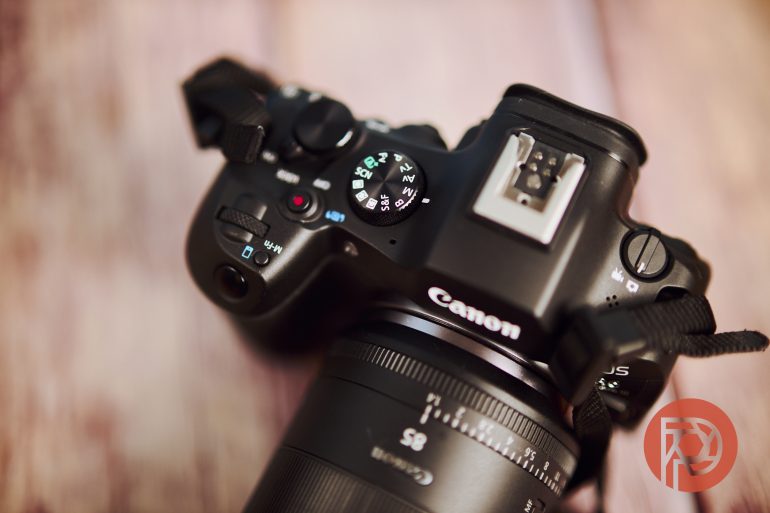
It’s hard to ignore the fact that the Canon EOS R6 Mark III is a delight to use for photography. It feels extremely comfortable in the hand and very well balanced with a range of different lenses, including heavier zooms like the RF 70-200mm F4. The camera performed well in low light, daylight, and even in a snowstorm – all without slowing down, overheating, or letting moisture into the camera’s internals. But I also can’t ignore the fact that if you’re buying this camera or any other full-frame Canon R-series camera and want to use autofocus lenses, you are limited to the offerings that Canon, and Canon alone, makes. With the R6 Mark III, photographers will enjoy improved autofocusing capabilities, a 32.5-megapixel sensor, capable weather-resistance, and the “investment” into Canon full-frame RF lenses. While there are some good, affordable options, like the RF 45mm F1.2 STM or the RF 28mm F2.8 STM, neither is weather-sealed and could be the literal leak in an otherwise weather-capable body.

The entry-level professional camera race has been heated for some time, but after a major fumble by Sony and Nikon’s open hostility towards third-party manufacturers, the R6 Mark III has emerged as one of the best cameras you can buy right now – in part by their plainly portrayed unwillingness to allow any third-party to make a full-frame RF autofocus lens – you can’t buy them so need worrying about them being bricked by an update. While Canon’s R6 III is a good camera overall, you’ll end up spending quite a bit on future lens purchases to get the most from it.
We’re giving the Canon EOS R6 Mark III a three out of five because of its build quality, weather resistance, and ergonomics, but we deduct points for its limited, affordable lens options.
- Weather resistance is far better than expected; it survived a snowstorm.
- Some of the dials feel too plasticky and fragile.
- Solid low-light autofocusing performance with a variety of lenses.
- Well-balanced handling even with larger zoom lenses.
- Lenses are pricey.
Experience
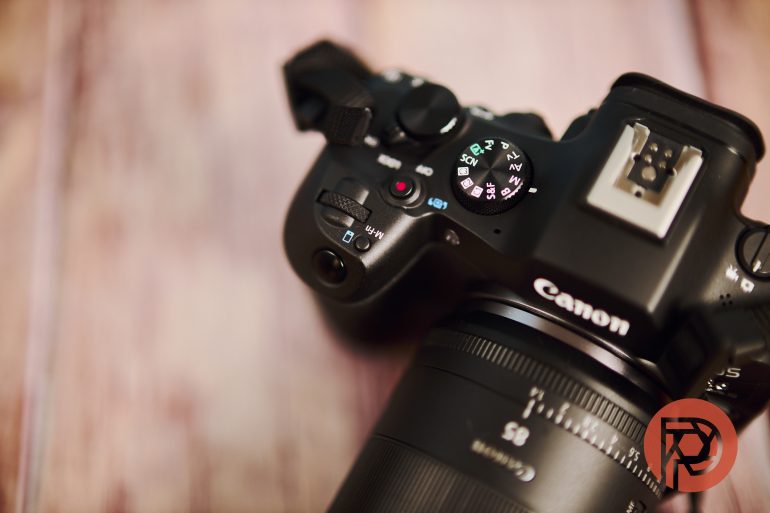
For this review, we took the Canon EOS R6 Mark III into a snowstorm, a couple of church gigs, and, ultimately, into the balmy Florida sun to get an idea of how well it performed in various conditions and settings. The following gear was used for this review:
- Canon EOS R6 Mark III, on loan from LensRentals
- Canon RF24-105 f4 L USM
- Canon RF45mm f1.2 STM
- Canon RF85mm f1.4 L VCM, on loan from LensRentals
- Zeiss Otus 50mm f1.4 ML, on loan from LensRentals
- Flashpoint XPlor 100 Pro
- Flashpoint R2 Nano for Canon
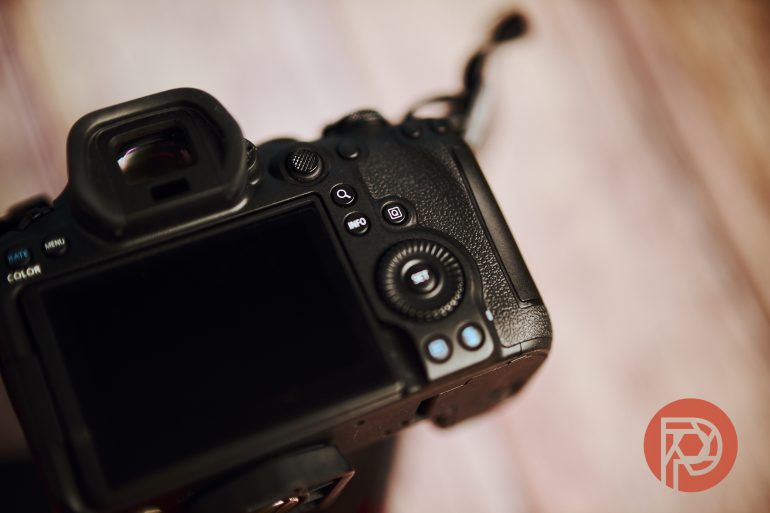
To recap from The Big Picture section, this camera is a joy to handhold and work with. For starters, it doesn’t feel like the old R6m2; it’s much more substantial, with a slightly beefier grip and a new texturized rubber around the camera. This was one of the things that helped the camera feel secure in my hands while I walked during the snowstorm in New York City this past January – even with chunky gloves on. If you’ve been shooting with Canon cameras long enough, you’ll note that the control cluster is largely unchanged from its predecessor and most modern EOS R-mount cameras.
Speaking of using this in the snow, the storm that hit New York in late January (2026) was a really great stress test for the Canon EOS R6 Mark III. I took the camera out in heavy snow that turned into steady sleet for over 2 hours. In that time, I was not only soaked through my jeans, but the windchills kept the temps hovering around 10 to 13 degrees. The camera handled the harsh conditions with no fuss, and I never noticed any performance degradation. It is important to note that the battery in our test unit was brand new, and, as expected, it handled the dip in temperature without affecting its overall battery life. That said, you may find that your performance varies as the battery ages and accumulates more charge cycles. Even then, I wouldn’t expect any noticeable performance drops for at least a couple of years of heavy use.
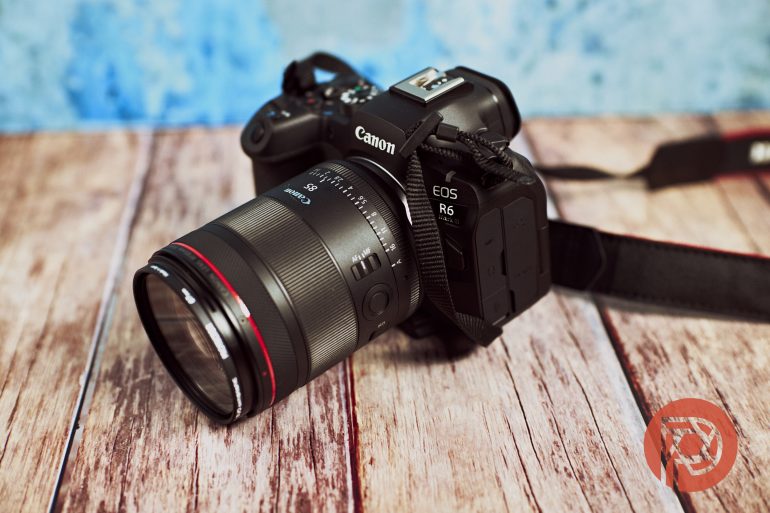
During my time with the Canon EOS R6 m3, I found that it was a very flexible system to use for everything from street photography to product photography. As a street photographer, I appreciate the camera’s ability to quickly lock focus and prioritize humans – not just their eyes. But to be fair, most cameras these days allow you to do this. For landscapes/cityscapes and travel, as was the case on my trip to Florida, the R6 Mark III again felt like a much more capable camera, in large part thanks to the lenses that sat in its mount. The R6 Mark III’s greatest strength lies in the quality of lenses that Canon (and Zeiss) makes. The Canon RF 24-105 f4 L and the R6 Mark III seem to work like a pair that was made for each other – the images are sharp with pleasing color rendition. When using a manual lens, like the Zeiss Otus 50mm f1.4 the camera becomes a low light beast. As a departure to the automatic zoom-in feature that I’m accustomed to on my Sony camera, I used the Canon R6 III’s manual focus guide – two triangles that converge to let you know when your image is in focus. I found it could net positive results, even when wide open.
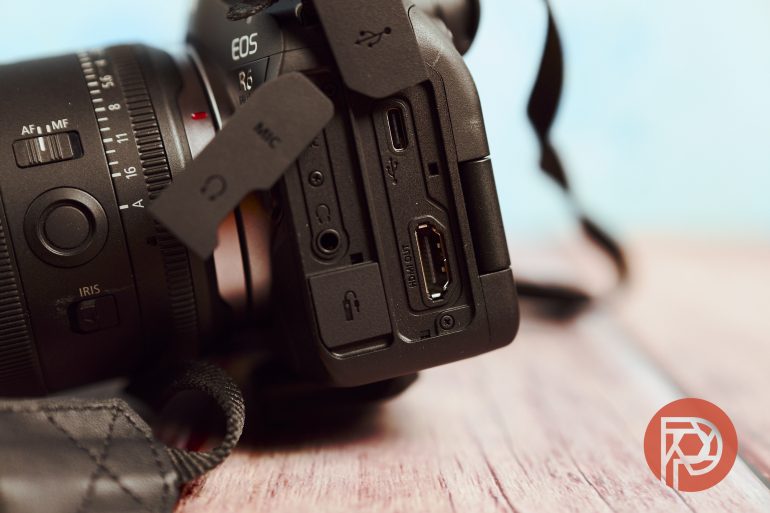
Going back to the R6m3’s autofocus performance, I found that it performed well both with scene detection on and off, though I’m enjoying being more intentional about my process and turning scene detection off more than I keep it on these days. This is a personal choice and does not affect the camera’s performance. While most of the trip to Florida found me pointing the lens at the beach and architecture, on my last morning there, I saw a massive gathering of black birds swarming the beachside. I quickly turned on scene detection and set “Bird” as the subject in AF mode, and the camera quickly identified the subjects, even with tricky mixed lighting: harsh sunlight in the background while the subjects darted in and out of heavy cast shadows. Although my bird photos won’t win any awards, the camera did manage to lock focus nearly instantaneously.
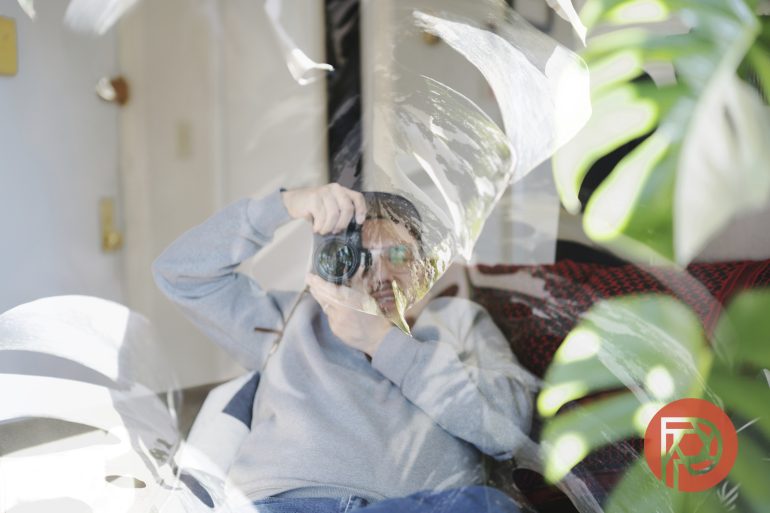
That said, there are some things that I do have a gripe over. For starters, I’m genuinely pissed that Canon has abandoned RAW Multiple Exposures and has replaced them with in-camera JPEGs. While there is the flexibility to stack images nearly endlessly for your multiple-exposure compositions, omitting RAW files feels like an affront to creative photographers everywhere. Likewise, when shooting product images, I found that in-camera focus stacking worked extremely well; not having a final RAW file to work from is a big letdown for me.
Image Quality

The difference between 24 megapixels and 32.5 megapixels is noticeable when you crop in. This was the case when I shot a pastor induction ceremony while testing the R6 iii; as a guest, not the official church photographer, I was limited to where I was positioned in the sanctuary. Worse still, I only carried the Otus 50mm f1.4 – zooming in was out of the question. I still shoot paid events with my Sony a7 III (and will until it dies), but usually I’ll carry around my 24-105; something I should’ve done when shooting this induction ceremony. Thankfully, the added resolution that the Canon R6-III affords me allowed me to crop in Capture One and still deliver photos that my client was proud to show off.
Below are some images taken straight out of the camera:


And here are some images that were edited in Capture One using our Photojournalism Presets:


Canon EOS R6 Mark III Tech Specs
The following tech specs/features were taken from the LensRentals product page:
- 32.5MP full-frame CMOS sensor
- Open Gate 7K 30p; High-speed 4K 120p recording
- 8.5-stop 5-axis image stabilization
- CFexpress & SD UHS-II memory card slots
Declaration of Journalistic Intent
The Phoblographer is one of the last standing dedicated photography publications that speaks to both art and tech in our articles. We put declarations up front in our reviews to adhere to journalistic standards that several publications abide by. These help you understand a lot more about what we do:
- At the time of publishing this review, Canon isn’t running direct-sold advertising with the Phoblographer. This doesn’t affect our reviews anyway and it never has in our 15 years of publishing our articles. This article is in no way sponsored.
- Note that this isn’t necessarily our final review of the unit. It will be updated, and it’s more of an in-progress review than anything. In fact, almost all our reviews are like this.
- None of the reviews on the Phoblographer are sponsored. That’s against FTC laws and we adhere to them just the same way that newspapers, magazines, and corporate publications do.
- LensRentals loaned the unit and accessories to the Phoblographer for review. There was no money exchange between us or their 3rd party partners and the Phoblographer for this to happen. Manufacturers trust the Phoblographer’s reviews, as they are incredibly blunt.
- Canon knows that it cannot influence the site’s reviews. If we don’t like something or if we have issues with it, we’ll let our readers know.
- The Phoblographer’s standards for reviewing products have become much stricter. After having the world’s largest database of real-world lens reviews, we choose not to review anything we don’t find innovative or unique, and in many cases, products that lack weather resistance. Unless something is very unique, we probably won’t touch it.
- In recent years, brands have withheld NDA information from us or stopped working with us because they feel they cannot control our coverage. These days, many brands will not give products to the press unless they get favorable coverage. In other situations, we’ve stopped working with several brands for ethical issues. Either way, we report as honestly and rawly as humanity allows.
- At the time of publishing, the Phoblographer is the only photography publication that is a member of Adobe’s Content Authenticity Initiative. We champion human-made art and are frank with our audience. We are also the only photography publication that labels when an image is edited or not.