

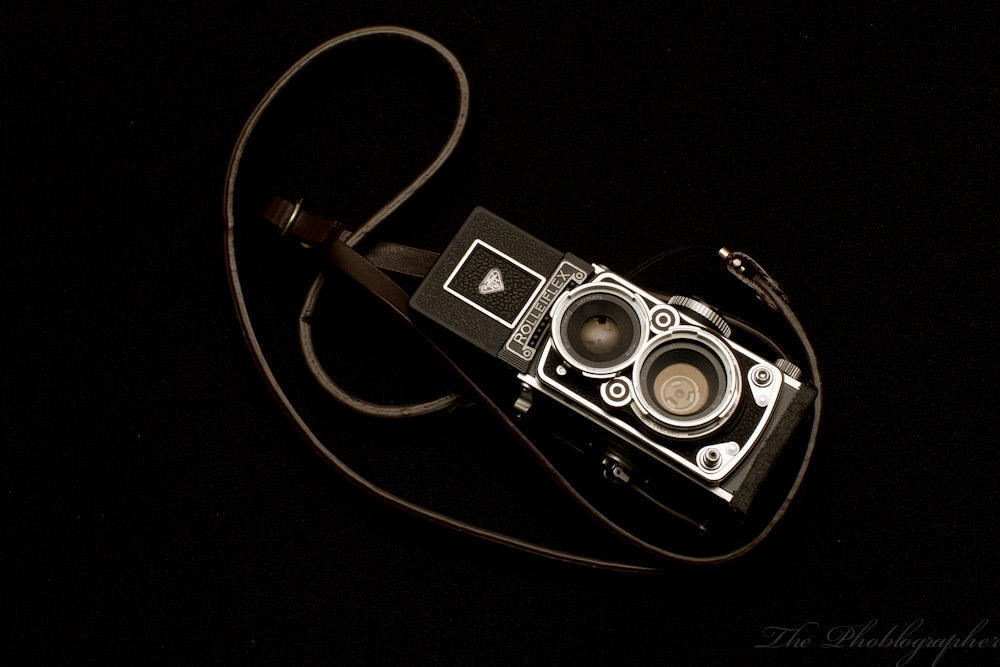
Nearly 13 years ago, I borrowed a friend’s digital TLR camera, which resembled a Rollei. Because it was so unique, I decided to do a review of it. Now, these days, there has been a rise of something I like to call the digital disposable camera. A great and really well-known version of this is the Camp Snap camera, which is designed for kids, Gen Z, etc. Part of this has been a result of the new retro digital compact camera market. In fact, lots of these cameras are very cheap, affordable, and often toy-like. More importantly, they serve a modern function and need that the Japanese manufacturers otherwise take four years to develop.
If you were to look at the best-selling digital cameras on Amazon, you’d find a bunch of Chinese-made cheap cameras. If you dove into the reviews of those cameras, you’d see that they’re mostly for kids. They also include a bunch of instant cameras shooting zink paper like Canon’s older Ivy cameras. None of them are really good, mind you. But that’s part of the appeal.
It’s really time to admit it: modern cameras are too good and provide image quality that’s too manicured when really all we want is a special interpretation of reality instead. Right before writing this article, I spent a while researching how to make my Sony RAW files look like film. It brought me to a Reddit thread that told people just to switch cameras systems and that the minimal post-production world is really where it’s at. These digital disposable cameras are delivering that exact experience. And the images that they give off are really a special vibe.

To deny this at this point in camera history and photography history is a mistake akin to what Kodak did years ago when they developed digital cameras. Yet at the same time, I can see reps from many of the big camera companies doing this and saying this. Canon, for years, said that compact cameras weren’t in demand until they started making them again.
But even then, it shows that they don’t really get the idea of digital disposable cameras.
People want super cheap, affordable cameras. Those are the people in the market not looking for the higher end full-frame cameras. They want an experience that their phone won’t give them. And the truth is that these brands can surely do it by dipping into their designs from many years ago. Then they can put the cameras out in mass and sell them pretty easily. Canon has always been a master of doing this with holiday deal bundles.
I mean, people are even buying the iPod Touch because of what the camera can do. The bigger Japanese companies will always say that something is a niche market and won’t give into it. But let me count all the ways that they’ve been wrong since I started my career as a journalist:
- Mirrorless cameras overtaking DSLRs
- Film becoming a real thing instead of just being a niche product
- The need and rise for unique lens focal lengths
- The want for cameras and lenses that can provide a unique look
- The return of point and shoot cameras
Let’s be really honest, the Japanese camera brands are protecting their capitalistic goals. But the best way to do that is to instead be open to the possibility of an idea instead of saying what you have right now can do what someone wants.
Consumers know what they want.
These newer Chinese brands are mimicking how many of the Japanese brands started out: by copying the Europeans. And it’s only a matter of time until they take off.
Get rid of the ads!
Did you enjoy reading this article as much as we enjoyed writing it? There's a way to support us and our reporting, getting ad-free navigation and more as a bonus. Subscribe to us for less than a coffee per month —just $3.99— or take advantage of our yearly subscription with a hefty discount for only $25.- An ad-free experience
- A free mystery box for Lightroom or Capture One
- All the books in our store
- 20% discount on Capture One
- 30% discount on Imalume Photo Theft Protection
- 20% off Herbs and Kettle Tea Company.
- 20% off your order from MPIX printing services.
- 5% off Viltrox Products via their eCommerce store.
- 10% off all film developing, printing and scanning services from Blue Moon Camera and Machine
- 15% off 7Artisans products: The lens and accessory maker is offering a sweet discount for Phoblographer's readers.