

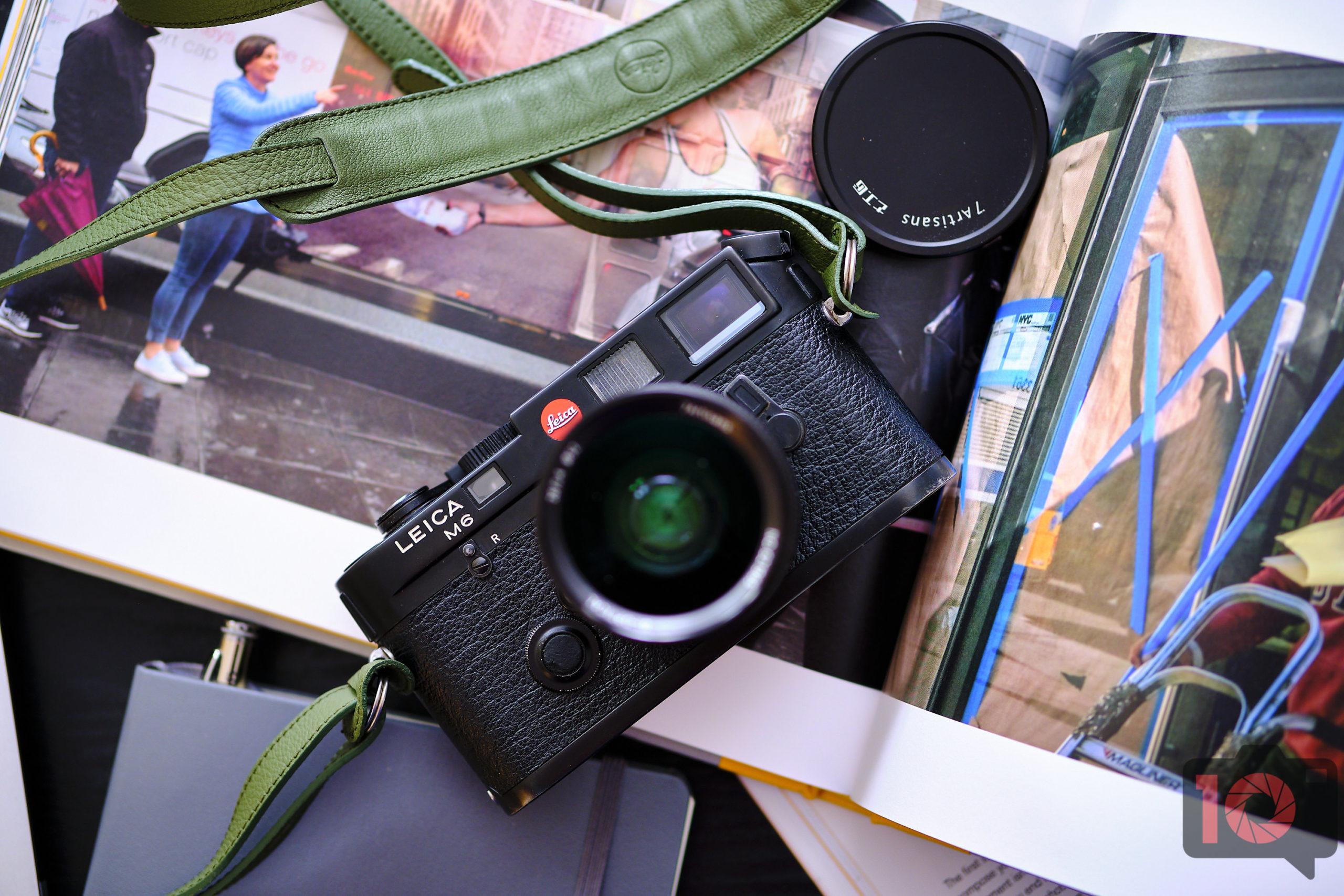
Camera manufacturers are starting to catch on to the idea that some photographers still want the emotive quality of real film. But while brands like Pentax are doing things like launching their first 35mm film camera in 20 years, the range of brand-new film cameras is still quite limited. While there are a range of new options available, few of them have the features that serious artists are looking for, including full manual exposure, compatibility with vintage lenses, and a durable build that will outlast a typical digital camera. Photographers can find those features on a used film camera — the trouble is actually finding one. That’s why we’re rounding up the best film cameras that you can still easily find used in 2024.
For a camera to make it on this list, it needs to meet three key criteria. First, it needs to be a camera that The Phoblographer has tested and loved. We don’t recommend gear that we haven’t tried ourselves. Second, it needs to be widely available, including on Amazon. Yes, you can find deals at garage sales, online resellers, and specialty film photography shops, but the film cameras that are available on Amazon tend to be the options that are easy to find anywhere. Which, consequently, tends to mean that it’s also easier to find lenses and other accessories to go with them. For this list, we also focused on 35mm film cameras, as it is one of the most widely available film types.
If you’re a digital photographer who wants to try film without sacrificing features like manual focus, then these are the best film cameras you can still buy in 2024.
Don’t forget to buy the film — here are three of our favorite film emulsions for portraits.
Table of Contents
Why You Should Trust Us

The Phoblographer has been doing real-world photography gear tests longer than any other photography publication currently run. We also have the largest database of real-world lens reviews, amongst other things like straps, camera bags, lights, accessories, and more. Here’s why that matters:
- AI Can’t Do This Job: These days, other publications do roundups, sometimes using generative AI. That’s the same as a person researching products and then making a decision without actually trying it. All of our reviews and guides are written not just by humans but by working photographers — not AI. Computers don’t use cameras, so why would you trust AI to recommend cameras for you?
- Research and Practical Experience: Here at the Phoblographer, humans consult on what roundups to do with guidance from an editor. Then, a human goes through our database of reviews and selects the best products based on our own internal research. The human creating the roundup has practical experience with photography gear and will apply their knowledge of what’s best to the already human-based experience provided in our reviews.
- We Block AI Bots: The Phoblographer blocks indexing bots from reading our site, so what’s here can only be read here.
How we Test and Choose the Best Vintage Film Cameras That You Can Still Buy in 2024
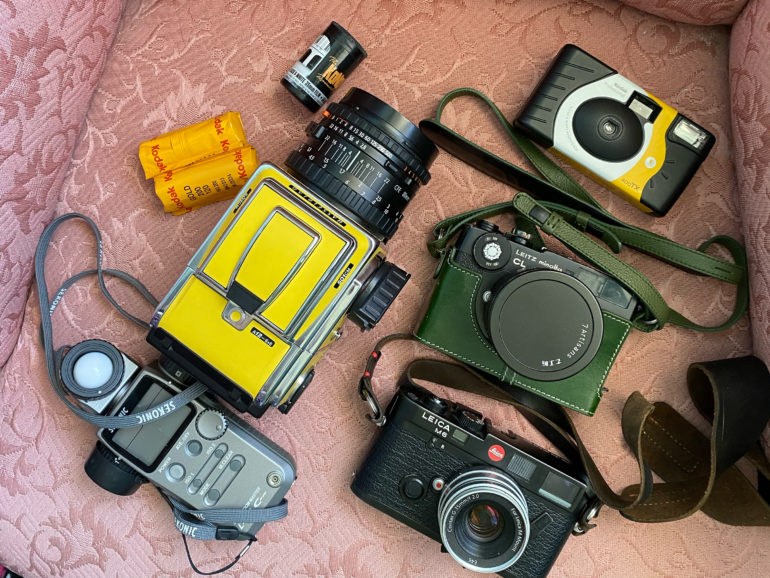
- The Phoblographer’s various product round-up features are done in-house. Our philosophy is simple: you wouldn’t get a Wagyu beef steak review from a lifelong vegetarian. And you wouldn’t get photography advice from someone who doesn’t touch the product. We only recommend gear we’ve fully reviewed in these roundups.
- If you’re wondering why your favorite product didn’t make the cut, there’s a chance it’s on another list. If we haven’t reviewed it, we won’t recommend it. This method keeps our lists packed with industry-leading knowledge. Some of our stories include affiliate links. If you buy something through one of these links, we may earn an affiliate commission.
- When we test lenses, we’ve got various things in mind. First off, we consider who might want to buy the lens and what they might do with it. With that in mind, we try to tackle at least three genres of photography with that lens in a variety of situations. If the lens has weather resistance, then we’ll test it accordingly with a weather-resistant camera. We also test the autofocus of the lens in continuous mode, single mode, with exposure preview effects, without those effects, and then with all the major image quality parameters. These days, no one really makes a bad lens — but some are far better than others.
- In this specific roundup, we’re basing our findings on the reviews that we’ve done. We’re choosing a favorite, but we’re also giving photographers a bunch of others that they might like, depending on how they shoot.
Our Choice Among the Best Vintage Film Cameras That You Can Still Buy in 2024: Nikon F2

The F2 is arguably one of Nikon’s most iconic cameras. The Nikon F2 uses a classic, durable build that, simply put, just feels great in the hands. One of the reasons the F2 is so durable, besides the metal build, is the interchangeable finders and focusing screens, so you can swap out these parts if one isn’t working properly. The variety of lens options available, plus the accessibility of different 35mm film emulsions, means photographers can create not just beautiful images but a wide range of different styles. It can be used as a fully manual camera using the Sunny 16 rule but it needs a battery if you want a working light meter. The full manual exposure and lack of autofocus aren’t ideal for a total beginner, but photographers familiar with manual exposure and focusing on digital won’t have a terribly steep learning curve to create beautiful images with the F2.
In our Nikon F2 review, we state:
“The Nikon F2 has a big following amongst various film photographers. But as film has become way more expensive, I fear that it might just stay on shelves everywhere. However, it’s worth photographing very important moments with still. It will train you to shoot in a completely different way and pretty much always keep working. It’s up there with the Leica M6 as one of the best film cameras you can possibly own.”




For Some Photographers, These Might be The Best Vintage Film Cameras That You Can Still Buy in 2024
The Nikon F2 is a beautiful camera, but it’s also a bit bulky. For photographers looking for something smaller, we recommend something with a fixed lens like the Canon Q17 GIII. If you’re a serious film buff and want to invest in a lens system that also works with digital, we can’t recommend the Leica M6 TTL enough. And, for photographers who want that manual exposure but aren’t quite ready to give up autofocus, we recommend something like the Contax MX.
Leica M6 TTL: Best Luxury 35mm Camera
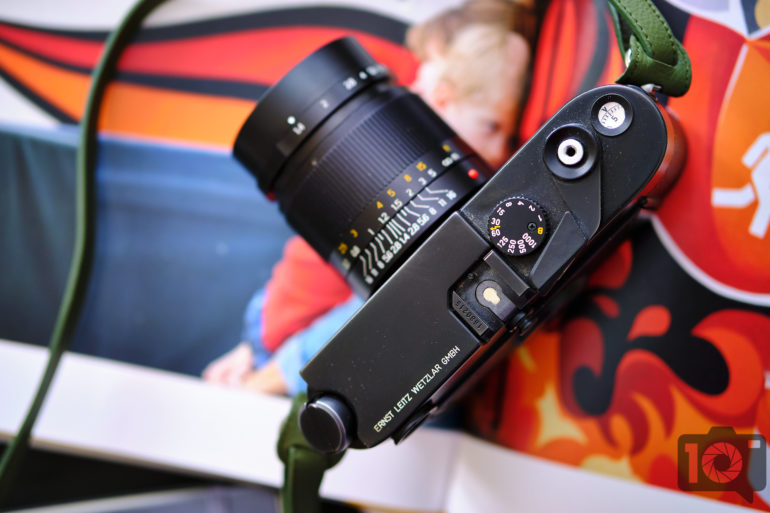
When we reviewed the Leica M6 TTL, we called it the best film camera that the company has ever made — and that’s really saying something. The M6 TTL offers a build that is both durable and luxurious. (The TTL is similar to the original M6 but offers TTL for using flash). Photographers who haven’t worked with Leica before should expect a learning curve to adapt to the brand’s quirks, but for the most part, the M6 and M6 TTL cameras just require loading the film, setting the ISO, a half-press of the shutter before metering the light in the scene, adjusting the exposure, focusing then shooting. But another big reason to consider the M6 TTL is that the M lenses are still used today on the brand’s M series digital cameras, making it possible to invest in only one lens system while shooting both film and digital. The only reason the M6 isn’t our top pick is that the price means it’s less accessible to photographers who just want to experiment with film.
In our Leica M6 TTL review, we state:
“I enjoy the Leica M6 TTL. It’s a beautiful camera that slings around me well and functions flawlessly. I’d be telling a lie if I said that I didn’t like sometimes wearing it like a piece of photographer’s jewelry. But it’s also fun to shoot with. Most photographers will only need the Leica M6. But if you want to make the commitment to shooting events and using film the way so many photographers are these days, then the Leica M6 TTL is probably the right choice for you.”




Canon QL17 GIII: Best Compact 35mm Film Camera
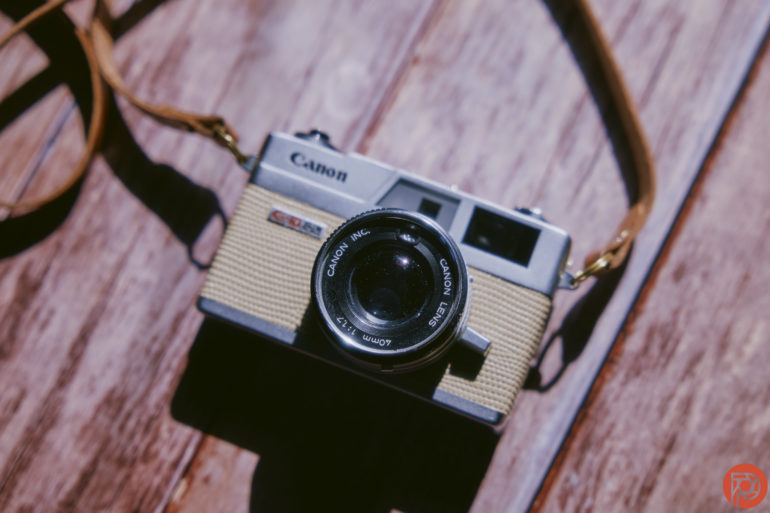
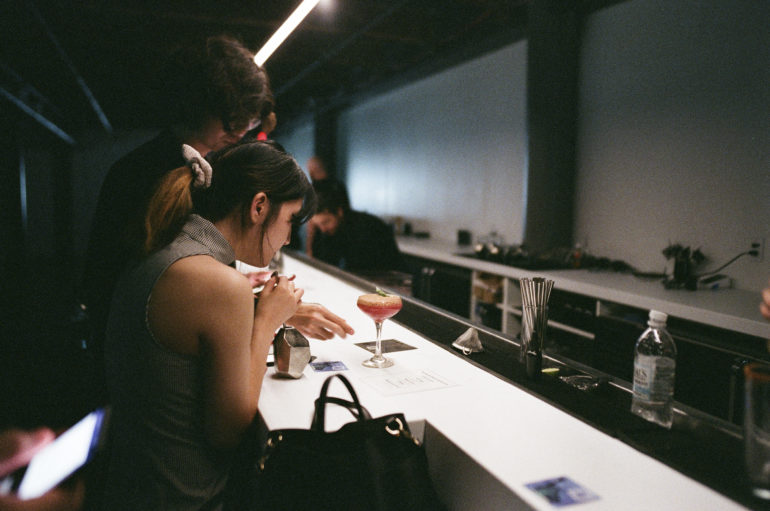
The Canon QL17 GIII is a 35mm film camera with a fixed 40mm f1.8 lens. That makes the camera less versatile than SLRs, but an excellent option if you want a camera small enough to bring everywhere you go. The focusing and exposure is all manual and unlike an SLR, you can find the shutter speed as well as the aperture and focus distance around that built-in lens rather than at the top of the camera. The rangefinder focus adds to the emotion and feel of using a manual film camera. The built-in lens is quite sharp, yet produces some beautiful halation effects.
In our Canon Q717 GIII review, we said:
“The Canon Canonet QL17 GIII is a camera that belongs in the hands of experienced photographers. If you’re searching for a rangefinder with a fixed lens, great build quality, and a small size, this is tough to beat. We like how it can delivery gorgeous images too. But keep in mind that it’s going to eat batteries alive. So I’d suggest using it for careful, meditative street photography and image taking instead.”


Contax NX: The Best Vintage 35mm Film Camera With Autofocus
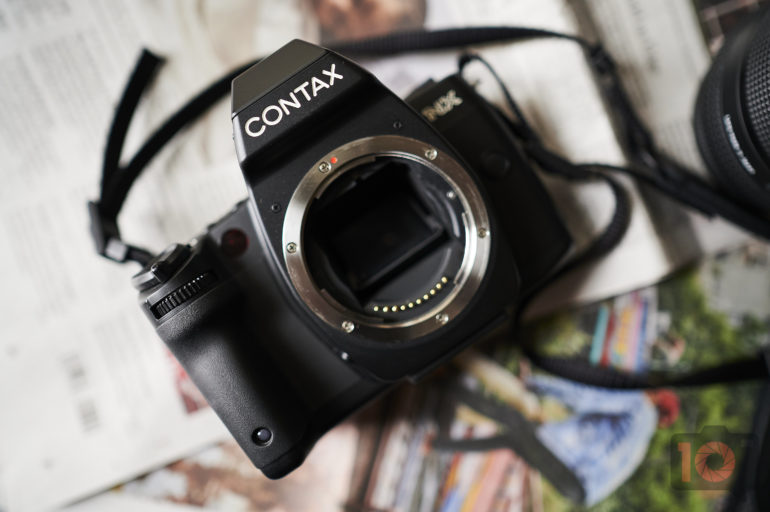
The film cameras, above all, have that iconic feel and are, excluding the light meters, fully manual cameras. But some photographers want something with autofocus and, for these folks, we recommend considering the Contax NX. The Contax NX feels like a smaller version of the Contax 645. But the NX is one of the easier 35mm cameras to learn. There’s an LCD dial at the top with all the shooting settings, plus it has excellent autofocus. The build is more like a modern DSLR than the more classic feel of the picks above and a bit more plasticky. But it’s still a comfortable camera to shoot with and, with a wide range of lenses and film emulsions available, capable of capturing some beautiful images.
In our Contax NX review, we said:
“The Contax NX has a lot going for it. Besides having access to a lot of great glass, the autofocus is top notch. Then there is the way the camera feels in the hands. Top this all off with it being so simple to use and you’ve got yourself a winner. But it’s not all perfect. The build quality will make it suffer in the cold. Additionally, I always question the durability of cameras like this in the long run. Mechanical shutters and cameras are more reliable. But that’s not going to stop you from making great photos with it. We really like the Contax NX. And they’re pretty affordable on eBay.”


Using This Guide to The Best Vintage Film Cameras That You Can Still Buy in 2024
If you’re considering purchasing anything from this list, consider the following:
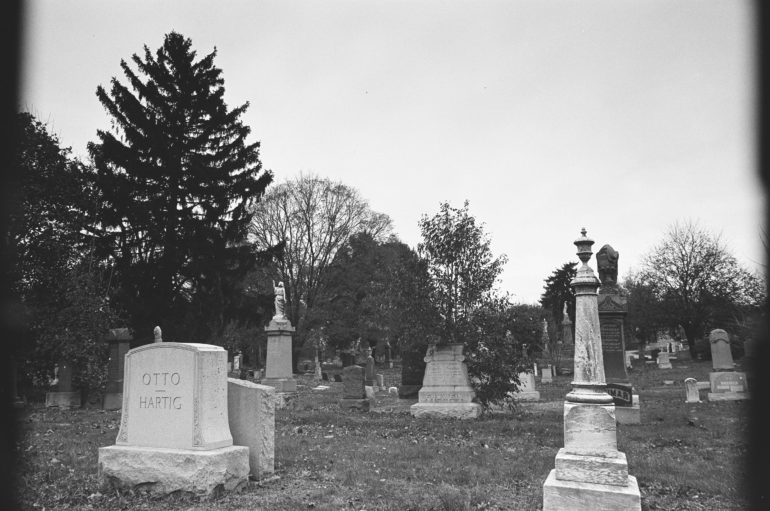
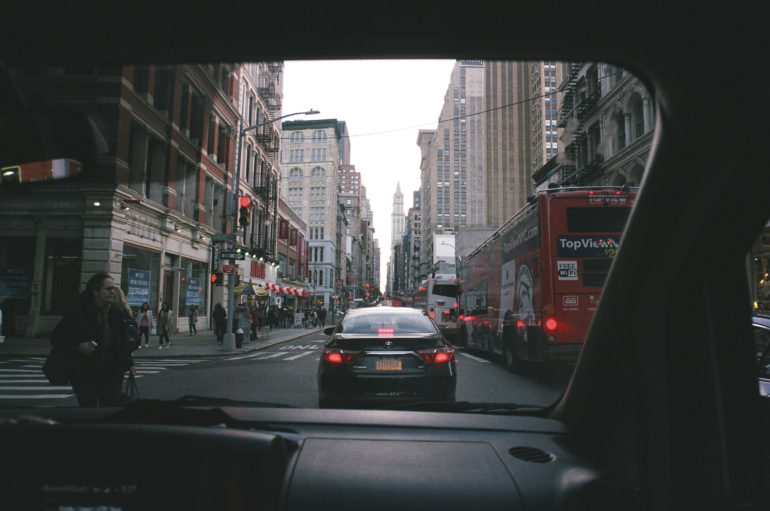
- All the product images and sample photos in these roundups are shot by our staff. In fact, we don’t talk about products at length in roundups like this unless we’ve done full reviews of them. But you can surely know that we’ve done all the research ourselves.
- We’d never recommend a product to you that we haven’t tested or that we really didn’t like. You can reference our linked reviews, for more information on this.
Tips on Choosing the Best Vintage Film Cameras in 2024
The cameras on this list are all film cameras that are largely only available previously loved. But, the adage they don’t make things like they used to still applies. While you should vet the seller carefully, a well-cared-for used film camera will still have a lot of life left.
- Film cameras aren’t perfect, but that’s sort of the point. The film medium often feels more emotive, and yes, part of that is being less perfect. If you’re a pixel peeper expecting perfection, then film isn’t your medium.
- Film cameras come with a learning curve — the jump into film will be easier if you already know how to use full manual exposure and full manual focus on a digital camera.
- Unlike a digital camera, the camera body itself doesn’t have a huge impact on image quality. Instead, it’s the lens choice and the film emulsion that’s going to determine the quality and aesthetic of the image you receive. That’s why we picked cameras with a wide range of interchangeable lenses available, excluding the Canon QL17, which is a fixed-lens camera. The Phoblographer has a wide range of film emulsion reviews to help you pick the right film type for your camera.
Picking the Right Vintage Film Camera for You

- What’s your budget?
- How will you use the product?
- What lighting situations are you in, and how will that affect what you’re doing? Our reviews hyperlinked in this article can help with that.
- Are you traveling a lot with it?
- Will you be using it in a situation that’s a bit rougher?
- Who else uses this product? How are they using it?
- What’s so appealing about this product that I can’t get from what I have already or something else?
- When will I really have time to use this product?
- Where will I bring this product?
- How will this product help bring me joy and joy in my photography?